







Search Results for: Nueva Segovia
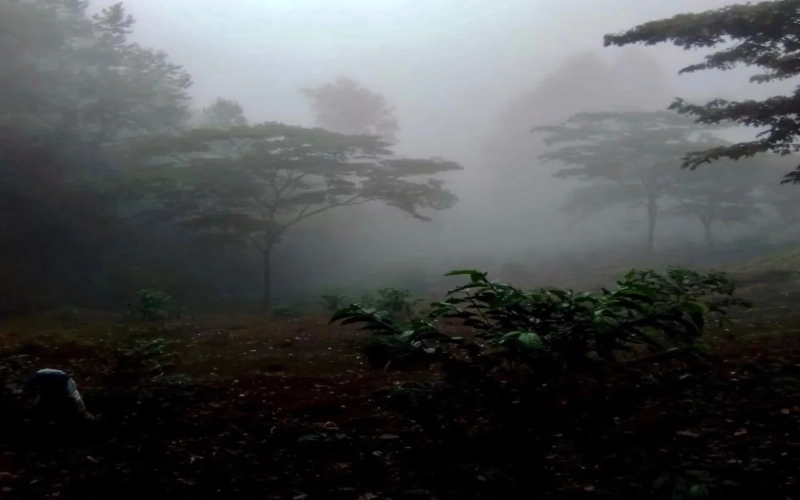
2024 Nicaragua COE Champion Alpine Estate: The Road to Consecutive Wins in the Nueva Segovia Region
The 2024 Nicaragua Cup of Excellence (COE) has concluded, with a sun-dried Geisha from Finca Los Alpes in the Nueva Segovia region winning the championship with a score of 91.1, successfully defending its title. This article will guide you through Nicaragua's coffee-growing environment and the distribution of its main production regions, and take a deeper look at this champion estate that has won the COE for two consecutive years. From the two farms owned by estate owner Olman Balladares, to the planting layout of varieties such as Caturra, Catuai, Bourbon, and Geisha, and to the coffee research and quality control team behind them, we will explore the origins of their excellent results. At the same time, Front Street Coffee will also recommend related products for you. [more…]
A Comprehensive Guide to Nicaragua's Specialty Coffee Regions: Flavors and Markets from Jinotega to Nueva Segovia
Nicaragua's coffee industry has weathered repeated upheavals due to political turmoil, but today private owners dominate the market, and specialty coffee has been revitalized. The high-altitude zones of the north and center, especially Jinotega and Nueva Segovia in Matagalpa, produce high-quality coffee with moderate acidity and an alluring aroma. These coffees are mostly classified as Strictly High Grown (SHG) and are suitable for dark roasting for espresso. Lower-grade beans are often used in blends. Front Street Coffee recommends paying attention to this region's unique flavors and market shifts. [more…]
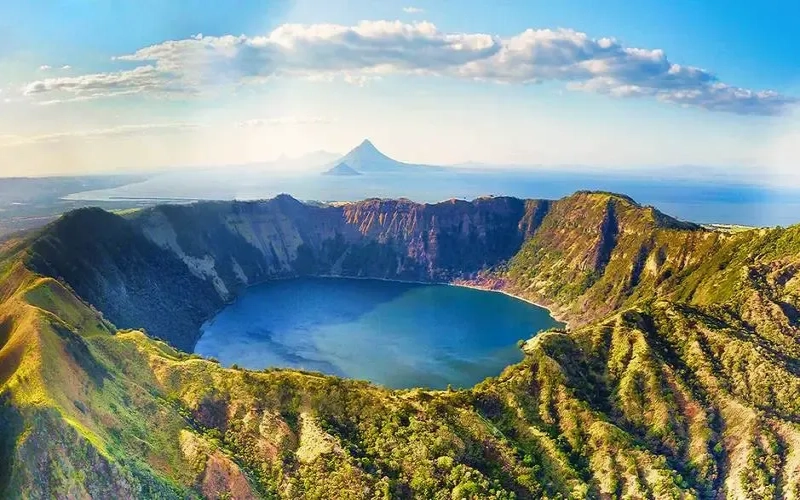
Nicaragua Nueva Segovia Coffee Region: High-Altitude Volcanic Soil and Emerging Prominence at COE
Central America has agriculture as its economic backbone, and its volcanic ash-rich soil and diverse climates have nurtured the coffee industries of countries such as Nicaragua. Although Nicaragua is not as renowned as Costa Rica or Panama, its growing conditions are by no means inferior. This article focuses on Nueva Segovia, one of the three major producing regions in the country's north—adjacent to Honduras, with the highest altitude and relatively low humidity, where concentrated sugars bring high sweetness and complex flavors. This region regularly appears on Nicaragua's COE list, and Los Suyates farm even won first place in 2022 and took second place in 2024. Front Street Coffee will also walk you through this coffee history, from the colonial period to the rebuilding of cooperatives. [more…]
In-Depth Analysis and Brewing Suggestions for Nicaragua Los Andes Estate Maracaturra Natural Coffee
Nicaraguan coffee has long maintained a low profile in the global market, yet it possesses growing talent on par with other Central American countries, distinguished by its balanced flavor. This feature focuses on the sun-dried Maracaturra from Finca La India in the Nueva Segovia region. This variety, a cross between Caturra and Maragogipe, offers both plump beans and sweet flavors, but due to its delicate plants, susceptibility to leaf rust, and low yield, it is rarely seen on the market. The article will outline Nicaragua's four major producing regions and their terroir characteristics, analyze the varietal advantages and cultivation challenges of Maracaturra, and share Front Street Coffee's roasting curve, cupping data, and pour-over parameters, providing a complete reference for coffee enthusiasts. [more…]
Complete Guide to Nicaraguan Coffee Origins: From Planting History to Front Street Coffee's Gift of Heaven Estate Pour-Over Flavor Guide
Nicaragua, with its fertile volcanic soil and continuously improving transportation infrastructure, is gradually emerging from the shadow of war and natural disasters to become a coffee-producing country worth watching in Central America. This article traces the country's coffee industry through its tortuous history from the 19th-century boom to its 21st-century revival, provides a detailed introduction to its grading system and the distribution of its four major producing regions, and, using the sun-dried Red Catuai from Finca La Divina Providencia in Nueva Segovia selected by Front Street Coffee as an example, presents the complete parameters from roasting and bean resting to a three-stage pour-over. Finally, it summarizes the complex flavor profile of this bean, in which berries, caramel, and grapefruit interweave. [more…]
Front Street Bean Hunters' Notes: A Complete Analysis of the Flavor and Roasting of Nicaragua Los Congos Estate Villa Sarchi Natural Coffee
Although Nicaragua is not as well-known as other Central American countries, it possesses high-altitude shade-growing conditions and fertile volcanic soil that are no less impressive. The Villa Sacchi natural bean from Los Congos Estate, sourced this time by Front Street Coffee, comes from the Nueva Segovia region, at an altitude of 1,350 to 1,650 meters, SHG grade. The estate insists on self-sufficiency and organic cultivation, and its Pacamara once won runner-up in the COE. This Bourbon varietal bean, after natural processing, presents intertwined flavors of floral notes, citrus, berries, cream, and peanut, with a full and balanced mouthfeel. Front Street Coffee's roaster adopted a lower bean-charging temperature with a medium flame that gradually decreases, developing for 1 minute and 50 seconds after first crack, and dropping at 195°C, performing excellently in both cupping and pour-over. [more…]
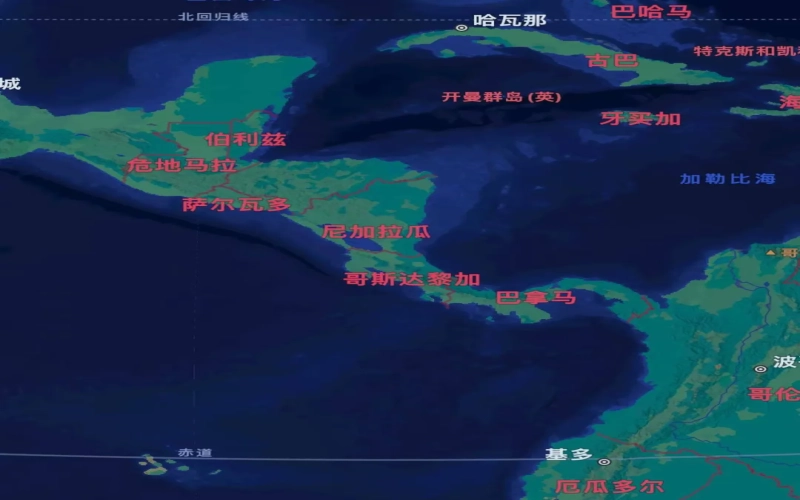
A Complete Guide to Nicaraguan Coffee: Terroir Conditions, Cultivated Varieties, and Grading Systems of the Three Major Regions
Located in the central part of Central America, Nicaragua may not be as famous as Panama or Costa Rica, yet it possesses coffee-growing terroir that is in no way inferior. The country's north-central highlands, eastern coastal plains, and western coastal lowlands form diverse microclimates, nurturing three core producing regions: Jinotega, Matagalpa, and Nueva Segovia, with Caturra and Bourbon as the main cultivated varieties. This article will systematically outline Nicaragua's geographical and climatic characteristics, the elevation and harvest details of each producing region, and introduce its coffee grading system, helping coffee enthusiasts gain a comprehensive understanding of the coffee landscape of this promising Central American origin country. [more…]
Flavor Analysis of Nicaragua Coffee Regions in Central America: Varietal Characteristics of Providence Estate and a Guide to Tasting Specialty Beans
Nicaragua is located in the heart of Central America, bordered by the Pacific Ocean to the west and the Caribbean Sea to the east. Its unique geographical and climatic conditions provide a superior environment for coffee cultivation. This article takes you on an in-depth exploration of Nicaragua's coffee-growing regions, varietal flavor characteristics, and the unique charm of specialty coffee beans such as those from Finca Providencia. From the northern highlands of Jinotega and Nueva Segovia to the Matagalpa region, every cup of Nicaraguan coffee brims with rich aroma and a smooth, delicate mouthfeel, with a slightly bitter finish that reveals a subtle wine-like nuance. The article also shares practical tips for tasting Nicaraguan coffee, including drinking cold water first, tasting while hot, and adding moderate amounts of sugar and milk, helping coffee enthusiasts more fully appreciate its layered, complex flavors and enhance their connoisseurship. [more…]
Analysis of Water Volume for 15g Pour-Over Coffee: Front Street Coffee Nicaragua High-Grown Extremely Hard Bean Full Berry Process Caturra Flavor and Brewing Guide
How much water should 15 grams of coffee grounds be paired with for pour-over coffee? This article uses Front Street Coffee's Nicaragua high-grown extremely hard bean full berry process Caturra as an example to provide a three-stage pouring plan with 225 grams of water. Although Nicaragua has long been overlooked by Taiwan's coffee scene, its growing conditions are no less favorable than those of other Central American countries. Its coffee is known for being clean and balanced, with light roasts being clean and bright, and dark roasts being sweet and full-bodied. Jinotega, Matagalpa, and Segovia are high-quality producing regions. This Caturra is full of fruit aroma and rich fruit acidity throughout, combining Central American elegance with African boldness. The article also includes complete information on variety, producing region, altitude, processing method, and brewing parameters. [more…]
Nicaraguan Coffee Flavor and Variety Analysis: Regional Characteristics, Growing Environment, and Industry Development History
Nicaragua, as an important coffee-producing country in Central America, despite its weak economic foundation and the hardship faced by coffee farmers, produces coffee that ranks among the world's best with its moderate acidity and rich aroma. The three major producing regions of Matagalpa, Jinotega, and Segovia are particularly outstanding, with Matagalpa's coffee flavor often compared to Kenya AA. This article will introduce you to the flavor characteristics of Nicaraguan coffee, its main varieties, the climate conditions of the growing regions, and the profound impact of political changes on the coffee industry. At the same time, Front Street Coffee will also recommend Nicaraguan coffees worth trying. [more…]

A Complete Analysis of Latin American Coffee Regions: Flavor Profiles and Processing Methods of Coffee Beans from Eight Countries Including Brazil and Colombia
Latin America is one of the most important coffee-producing regions in the world. From Brazil to Colombia, from Panama to Guatemala, each country shapes a distinctively different coffee flavor profile through its unique geography and processing methods. This article systematically reviews the producing regions, bean varieties, processing methods, and cupping performance of eight major Latin American coffee-producing countries, and combines Front Street Coffee's daily drinking bean series with Front Street Coffee's brewing methods to help coffee lovers fully understand the balance and cocoa-chocolate notes of Latin American coffee. Whether you are a beginner just starting out or a seasoned enthusiast, you can find the cup that suits you. [more…]
Nicaragua Finca La Providencia Caramel-Flavored Coffee Beans: A Full Analysis of the Growing Region, Processing Methods, and Flavor Characteristics
Nicaraguan coffee is known for its deep chocolate, caramel sweetness, and almond notes, with a bright yet soft acidity that is quite different from the typical high-toned fruity acidity of Central America. This article focuses on the COE award-winning bean from Finca El Cielo, outlining the unique volcanic soil and shade-growing conditions of the Dipilto region, analyzing the rich hazelnut-chocolate sweetness, tea-like body, grapefruit, and creamy flavors brought by the washed-then-natural processing method, and explaining its SHG grade, hand-picking, and suitability for medium roasting. At the end, it includes Front Street Coffee's reasons for recommending this bean, making it suitable for coffee lovers who dislike strong acidity and seek lasting sweetness and layered complexity. [more…]
A Complete Analysis of the Flavor Characteristics and Varieties of Latin American Single-Origin Coffee Beans: A Regional Guide from Brazil to Costa Rica
The global coffee-growing belt can be divided into three major regions: Africa, Asia-Pacific, and Latin America. Among them, Latin America is known for its mellow, balanced character reminiscent of cocoa and dark chocolate. Starting from Front Street Coffee's everyday beans series, this article systematically reviews the historical origins, variety characteristics, and processing method evolution of Latin American coffee, and interprets one by one the flavor codes of representative producing countries such as Brazil, Colombia, Panama, Costa Rica, Honduras, Jamaica Blue Mountain, and Nicaragua. The article also includes brewing parameters and flavor descriptions for specific beans such as Front Street Queen's Estate Yellow Bourbon, Sidra, Boquete Geisha, Mozart, washed Caturra, Blue Mountain No. 1, and Villalobos, providing coffee lovers with a guide to Latin American coffee that is both informative and practical. [more…]
A Complete Guide to Latin American Coffee Regions: Flavor Profiles, Processing Methods, and Brewing Guides for Signature Beans
Among the world's three major coffee-producing regions, Latin America stands out for its balanced taste and rich, cocoa- and dark-chocolate-like flavors. This article systematically reviews the coffee-growing backgrounds, main producing areas, processing method characteristics, and flavor profiles of countries such as Brazil, Colombia, Panama, Costa Rica, Honduras, Jamaica, Guatemala, and Nicaragua, and combines them with Front Street Coffee's everyday beans series and brewing methods to help coffee lovers build an overall understanding of Latin American coffee, making it a valuable reference for both everyday purchasing and pour-over practice. [more…]
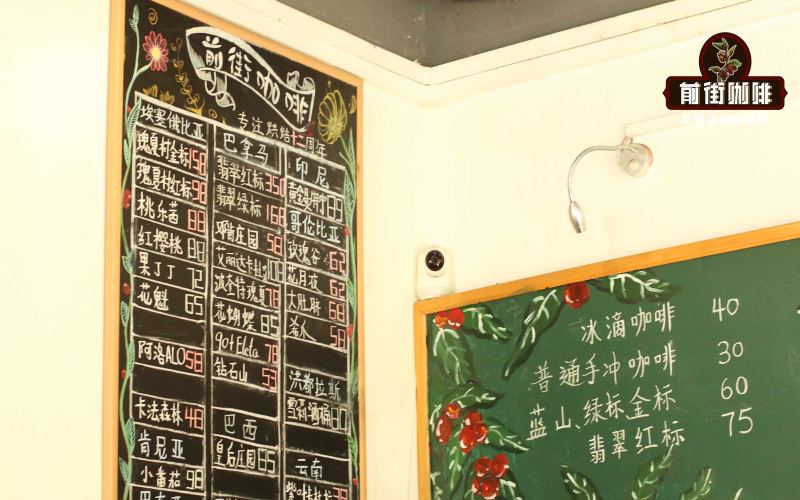
A Complete Guide to Central and South American Coffee Regions: Flavors, Varieties, and Key Producing Countries of Latin American Coffee Beans
The world's coffee belt can be divided into three major producing regions: Africa, Asia-Pacific, and Latin America, each presenting distinctly different flavor profiles. African beans are known for their fruity acidity, Asian beans for their herbal richness, while Latin American coffees fall somewhere in between, celebrated for their balanced, mellow character reminiscent of cocoa and dark chocolate. This article focuses on the Central and South American producing regions, examining country by country—Brazil, Colombia, Panama, Costa Rica, Honduras, Jamaica, Guatemala, and Nicaragua—their coffee varieties, processing methods, major producing areas, and flavor characteristics, and combines this with Front Street Coffee's everyday drinking bean series and brewing demonstrations to help coffee enthusiasts build a systematic understanding of Latin American coffee. [more…]
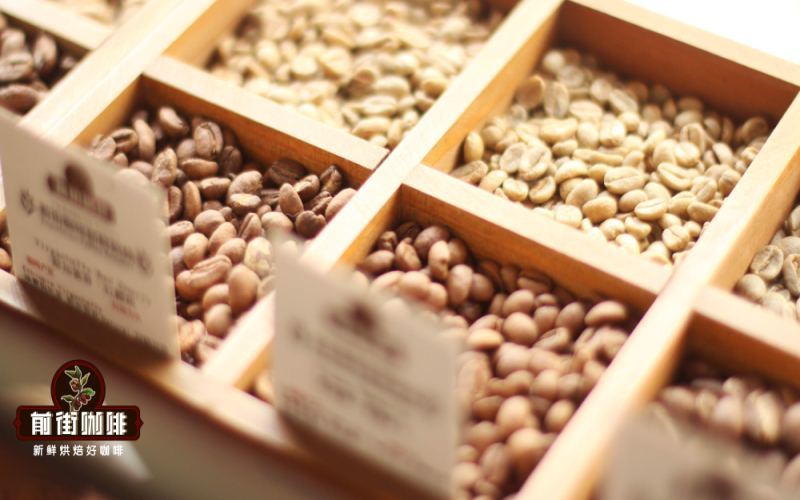
A Complete Guide to Latin American Coffee Regions: Varieties, Processing Methods, and Flavor Profiles from Brazil to Guatemala
Among the world's three major coffee-growing belts, the Latin American region stands out with its distinctive chocolatey and nutty rich tones. From Brazil's nutty sweetness and Colombia's balanced acidity, to Panama Geisha's floral legend, Costa Rica's honey-processing sweet experiments, and on to Jamaica Blue Mountain's classic balance and Guatemala's volcanic flavors, each producing country relies on unique geographical conditions and processing techniques to create highly recognizable cup profiles. This article systematically reviews the coffee varieties, mainstream processing methods, producing region distribution, and grading systems of eight Latin American countries, and, combined with Front Street Coffee's brewing demonstrations, fully presents this region's flavor landscape and bean selection logic. [more…]
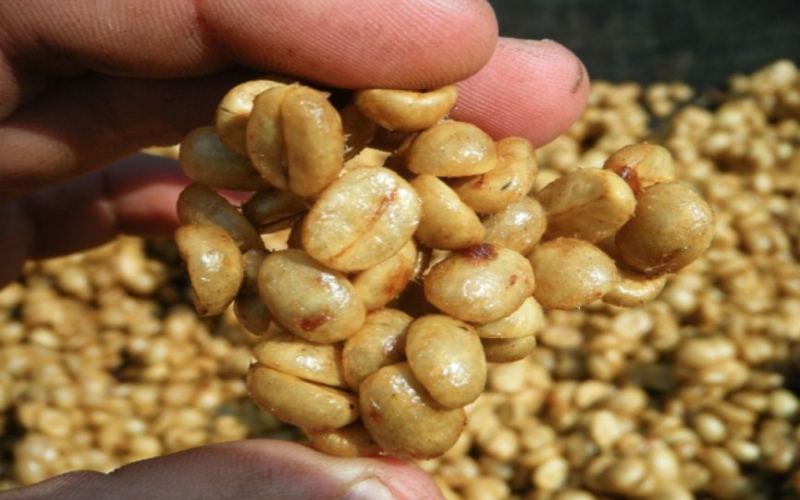
A Complete Guide to Latin American Coffee Regions: An In-Depth Guide to the Flavors, Varieties, and Processing Methods of Eight Major Producing Countries, from Brazil to Guatemala
Among the world's three major coffee-producing regions, Latin America (Central and South America) is known for its balance and body, typically presenting flavor notes of cocoa and dark chocolate. From Brazil's nutty-chocolate character, to Colombia's bright acidity, to Panama Geisha's legendary floral aroma, Jamaica Blue Mountain's balanced sweet-acidic-bitter profile, and the diverse expressions of Guatemala, Costa Rica, Honduras, Nicaragua, and other countries, this land has given birth to countless classic coffees. In this article, Front Street Coffee (FrontStreet Coffee) sorts out the origins, processing methods, and representative producing countries of Latin American coffee, along with brewing parameters and flavor descriptions for each producing country, to give you a systematic understanding of the full picture of Central and South American coffee. [more…]

Exploring the Origins of Pointed Bourbon and Pink Bourbon: A Full Analysis of the Growing Conditions and Flavors of Rare Varieties
Rare members of the Bourbon family—Laurina and Pink Bourbon—one once flourished and then declined on Réunion Island, the other has drawn attention for its romantic pink color. Which countries are actually suited for them to take root and grow? This article combines records from *The New Edition of Coffeeology* with cupping data from Front Street Coffee to trace Laurina's bumpy history from 18th-century glory to near extinction, analyze the genetic reasons why Pink Bourbon's color is difficult to maintain consistently, and explain in detail the terroir characteristics of Finca Nueva Granada in Guatemala and Finca Isabela in Colombia. Whether you are drawn by the low-caffeine trait or cannot forget the citrus notes and floral finish, this article will provide you with solid reference information. [more…]

Introduction to Nicaraguan coffee growing areas and coffee grading.
The American region happens to be in the coffee growing zone, so there are many well-known coffee growing countries in the Americas, such as Panama, Honduras, Costa Rica, Nicaragua, etc. Although Nicaragua is not as well-known as Costa Rica and Panam [more…]
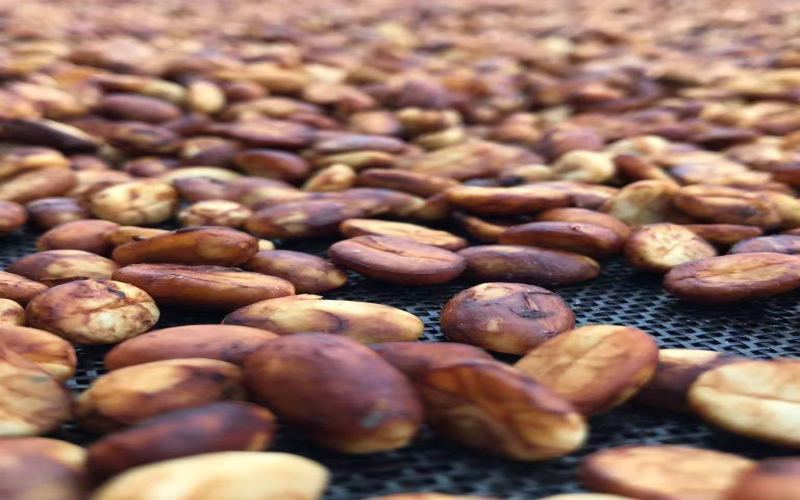
Honey-Processed Coffee Explained: Processing Differences and Flavor Comparison of Yellow, Red, and Black Honey
Honey processing is not about processing coffee with honey; rather, it is a method of processing green beans that retains some mucilage for fermentation and drying. It falls between washed and natural processes and is especially popular in Central and South America. Depending on how much mucilage is retained, it is further divided into white honey, yellow honey, red honey, and black honey, each with clear differences in drying time, turning frequency, and final flavor. From Front Street’s perspective, this article will sort out the origin and principles of honey processing, compare the technical characteristics and cupping performance of each honey color grade one by one, and introduce the flavor information of related products on Front Street’s bean list. [more…]